Supply Chain Resilience in 2025: Navigating Global Disruptions and Talent Challenges
Executive Summary
The global supply chain landscape in 2025 continues to face unprecedented challenges from geopolitical tensions, talent shortages, and technological transformation. This white paper examines the critical trends reshaping manufacturing and supply chain operations, providing actionable strategies for building resilience in an increasingly volatile environment.
Key findings reveal a widening talent gap in supply chain management, accelerating automation adoption, and the critical need for diversified supplier networks. Companies that successfully navigate these challenges are implementing multi-faceted approaches combining technology, workforce development, and strategic sourcing partnerships.
The Evolving Supply Chain Talent Crisis
The supply chain industry is experiencing an acute talent shortage that threatens operational continuity across manufacturing sectors. According to recent industry analysis, the demand for skilled supply chain professionals has outpaced supply by a significant margin, with specialized roles in procurement, logistics, and supply chain analytics seeing particularly severe shortages.
The retirement of experienced professionals, combined with rapid technological change requiring new skill sets, has created a perfect storm. Companies are struggling to fill positions requiring expertise in digital supply chain management, AI-driven analytics, and advanced forecasting techniques. This talent gap is not merely a hiring challenge—it represents a strategic vulnerability that can impact everything from supplier relationships to production efficiency.
Key Talent Statistics
- • Supply chain employment projected to grow 28% through 2031
- • Average salary increases of 15-20% for experienced professionals
- • 75% of companies report difficulty filling critical supply chain roles
- • Shortage of 600,000+ logistics and supply chain professionals in the US alone
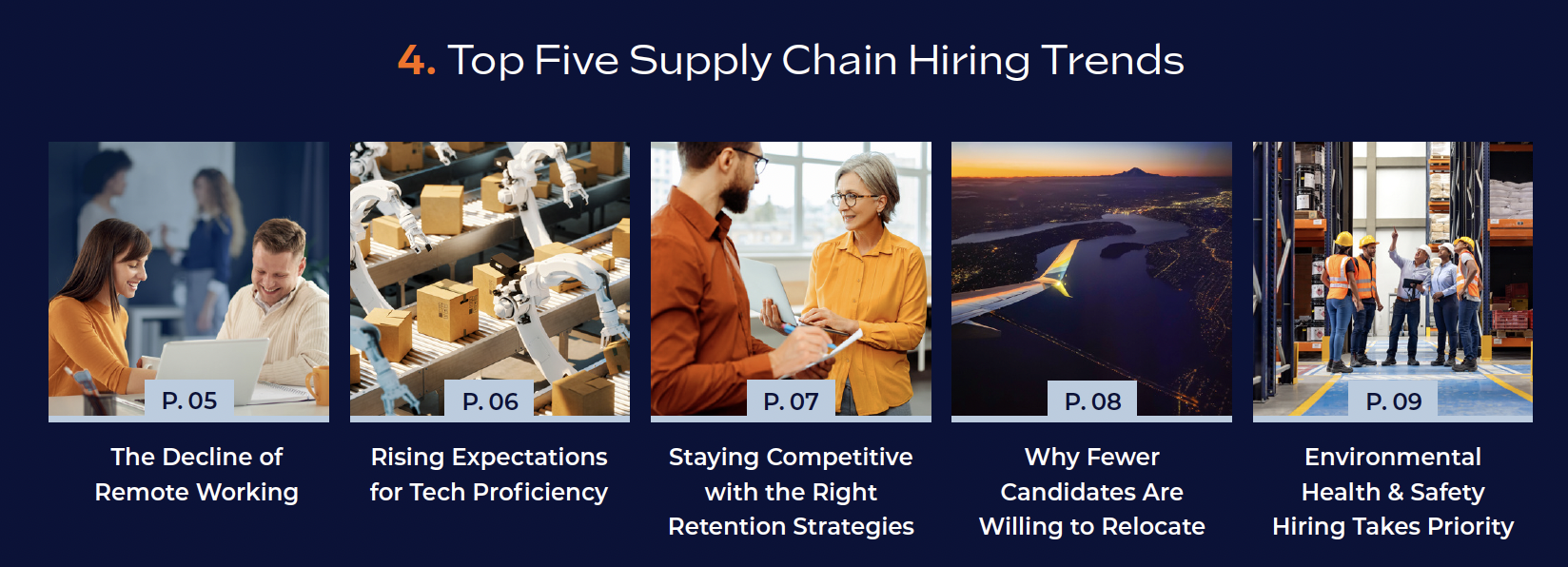
Figure 1: Top hiring trends shaping the supply chain workforce in 2025
Geopolitical Risk and Supply Chain Diversification
Geopolitical tensions continue to reshape global supply chains, with companies increasingly recognizing the risks of over-concentration in single regions. The ongoing trade tensions between major economies, regional conflicts, and changing regulatory landscapes have forced manufacturers to rethink their sourcing strategies fundamentally.
Leading manufacturers are adopting a "China Plus One" or "China Plus Many" strategy, diversifying production across Southeast Asia, Mexico, and other emerging manufacturing hubs. This approach provides resilience against regional disruptions while maintaining access to China's mature manufacturing ecosystem. However, diversification comes with its own challenges, including higher coordination costs, quality control complexities, and the need for expanded supplier relationship management capabilities.
The trend toward nearshoring and reshoring has accelerated, particularly in North America. Companies are weighing the benefits of proximity—reduced lead times, lower inventory requirements, and enhanced quality oversight—against the higher labor costs associated with domestic or near-domestic production. Mexico has emerged as a particularly attractive option, offering competitive costs, modern manufacturing infrastructure, and geographic proximity to US markets.
Technology Integration and Digital Transformation
Digital transformation is no longer optional for competitive supply chain operations. Companies are rapidly adopting advanced technologies including artificial intelligence, machine learning, Internet of Things (IoT) sensors, and blockchain for supply chain visibility and optimization. These technologies enable real-time tracking, predictive analytics for demand forecasting, and automated decision-making that dramatically improves efficiency and responsiveness.
AI-powered supply chain platforms can now analyze vast datasets to identify potential disruptions before they occur, suggest optimal sourcing alternatives, and automate routine procurement decisions. Machine learning algorithms continuously improve forecasting accuracy by incorporating multiple data sources including market trends, weather patterns, geopolitical events, and historical performance data.
Digital Supply Chain Technologies
AI & Machine Learning
Predictive analytics, demand forecasting, automated decision-making
IoT Sensors
Real-time tracking, environmental monitoring, quality assurance
Blockchain
Supply chain transparency, authentication, smart contracts
Digital Twins
Simulation, scenario planning, optimization modeling
Supplier Relationship Management and Quality Assurance
As supply chains become more complex and geographically dispersed, effective supplier relationship management (SRM) has become a critical competitive advantage. Companies are moving beyond transactional relationships to develop strategic partnerships with key suppliers, fostering collaboration, transparency, and mutual growth.
Quality assurance in globally distributed supply chains requires robust verification processes and continuous monitoring. Leading manufacturers are implementing comprehensive supplier qualification programs that assess not only production capabilities but also financial stability, compliance with environmental and labor standards, and alignment with corporate values. Regular audits, performance scorecards, and collaborative improvement initiatives help maintain quality standards across the supplier network.
The concept of "Trust but Verify" has become a guiding principle in supplier management. While building trusted partnerships is essential, companies must maintain rigorous verification processes to ensure suppliers meet specifications, maintain quality standards, and adhere to ethical practices. This includes on-site inspections, third-party audits, and increasingly, the use of AI-powered analytics to detect quality issues or compliance risks early.
Sustainability and Environmental Considerations
Environmental sustainability has moved from a nice-to-have to a business imperative in supply chain management. Companies face increasing pressure from regulators, investors, and consumers to reduce carbon emissions, minimize waste, and ensure ethical sourcing practices throughout their supply chains.
Scope 3 emissions—those generated throughout the supply chain beyond a company's direct operations—typically account for the majority of a manufacturer's carbon footprint. Addressing these emissions requires close collaboration with suppliers, transparency into their practices, and often significant investment in cleaner production methods and logistics optimization.
Forward-thinking companies are implementing circular economy principles, designing products for recyclability, establishing take-back programs, and sourcing recycled materials. These initiatives not only reduce environmental impact but can also provide cost savings and open new revenue streams through material recovery and refurbishment services.
Strategic Recommendations for Building Resilient Supply Chains
1. Invest in Talent Development and Retention
Develop comprehensive training programs to upskill existing workforce in digital tools and advanced analytics. Partner with educational institutions to create talent pipelines. Implement competitive compensation packages and create clear career progression paths to retain top performers.
2. Diversify Supplier Networks
Implement multi-sourcing strategies for critical components. Develop relationships with suppliers in multiple geographic regions. Maintain visibility into second and third-tier suppliers to identify potential concentration risks.
3. Accelerate Digital Transformation
Deploy AI-powered supply chain platforms for enhanced visibility and predictive capabilities. Implement IoT sensors for real-time tracking. Invest in data analytics capabilities to enable data-driven decision making.
4. Build Strategic Supplier Partnerships
Move beyond transactional relationships to collaborative partnerships. Establish clear communication channels and joint improvement initiatives. Implement comprehensive supplier qualification and continuous monitoring programs.
5. Enhance Supply Chain Visibility
Implement end-to-end supply chain visibility platforms. Map entire supplier networks including sub-tier suppliers. Establish real-time monitoring and alert systems for potential disruptions.
Conclusion: Bridging the Supply Chain Talent Gap
The supply chain talent gap represents one of the most pressing challenges facing manufacturers in 2025 and beyond. As experienced professionals retire and the complexity of supply chain operations increases with digital transformation and global disruptions, the shortage of qualified talent threatens to become a critical bottleneck limiting organizational growth and operational efficiency.
This talent crisis is not simply a matter of filling open positions—it reflects a fundamental mismatch between the skills the industry needs and the capabilities available in the workforce. Traditional supply chain education has not kept pace with the rapid evolution of technology, analytics, and strategic thinking required in modern operations. Companies can no longer rely solely on external hiring to meet their talent needs.
The Disconnect: What Companies Post vs. What They Need
A critical factor exacerbating the talent shortage is that many companies have not adapted their hiring practices to match the transformed nature of supply chain work. Job postings continue to emphasize traditional qualifications—logistics coordination, inventory management, vendor relations—while the actual demands of the role increasingly require AI literacy, advanced data analytics, predictive modeling, and digital platform proficiency.
Today's supply chain professionals need to interpret machine learning outputs, work with AI-powered forecasting tools, manage IoT sensor networks, and make data-driven decisions using sophisticated analytics platforms. Yet many job descriptions could have been written a decade ago, focusing on Excel proficiency and ERP system experience rather than Python, SQL, or experience with modern supply chain intelligence platforms.
This disconnect means companies are attracting candidates with outdated skill sets while missing the digitally-savvy professionals who could actually drive transformation. The result is a self-perpetuating cycle: companies struggle to find qualified candidates, settle for traditional skill sets, fall further behind in digital adoption, and become even less attractive to the next generation of tech-enabled supply chain talent. Many organizations simply have not caught up to the fundamental changes reshaping the industry.
Strategic Solutions for Talent Development
Addressing the talent gap requires a multi-pronged approach combining internal development, strategic partnerships, and cultural transformation:
1. Redefine Job Requirements and Invest in Digital Upskilling
First, companies must update their job descriptions to reflect the actual skills needed in modern supply chain roles—data analytics, AI/ML literacy, Python or SQL proficiency, experience with digital supply chain platforms, and comfort with emerging technologies. Then, commit to aggressive upskilling programs that help existing employees bridge the digital divide. This includes training in data visualization tools, predictive analytics, AI interpretation, and cloud-based supply chain platforms. Partner with online learning providers, technology vendors, and internal IT teams to create comprehensive digital transformation academies. The goal is not to turn every supply chain professional into a data scientist, but to create "bilingual" professionals who combine traditional supply chain expertise with digital fluency.
2. Build Academic and Industry Partnerships
Collaborate with universities and technical schools to shape curriculum that addresses real-world supply chain challenges. Offer internships, co-op programs, and apprenticeships that provide students with practical experience while creating a pipeline of qualified candidates. Support STEM education initiatives and supply chain-focused degree programs to ensure a steady flow of talent entering the field.
3. Create Compelling Career Paths
Make supply chain careers more attractive by clearly defining advancement opportunities, offering competitive compensation packages, and highlighting the strategic importance of supply chain roles. Showcase how supply chain professionals directly impact business success, sustainability goals, and global operations. Develop leadership development programs that prepare high-potential employees for expanded responsibilities.
4. Leverage External Expertise
Partner with specialized consulting firms and fractional executives who can provide expertise on-demand, filling critical gaps while internal capabilities are developed. This approach provides immediate access to specialized knowledge in areas like supplier qualification, international sourcing, and supply chain risk management without the long lead times of traditional hiring.
5. Embrace Technology as a Force Multiplier
Implement AI-powered supply chain platforms and automation tools that augment human capabilities, allowing smaller teams to manage more complex operations. Technology should not replace human judgment but rather free professionals from routine tasks so they can focus on strategic decision-making and relationship building.
The Path Forward
The talent gap will not resolve itself through market forces alone. Organizations that take proactive steps now to develop their people, build educational partnerships, and create compelling career paths will gain a significant competitive advantage. Those that wait will find themselves increasingly constrained by talent availability, unable to execute on strategic initiatives regardless of their technical merit.
Success requires viewing talent development not as an HR function but as a strategic imperative owned by supply chain leadership and supported at the executive level. It means making long-term investments in people even when short-term pressures favor other priorities. It means recognizing that in an era of rapid change and increasing complexity, your team's capabilities are your most important competitive advantage.
At Boston Manufacturing Group, we understand the challenges of building and maintaining world-class supply chain capabilities. Our team brings decades of hands-on experience helping companies source components, qualify suppliers, and optimize operations—providing the expertise you need while you develop your internal capabilities. Whether you need strategic guidance, tactical execution, or knowledge transfer, we're here to help bridge the gap.
Sources and References
DSJ Global
Supply Chain Talent Report 2025 - USA: Comprehensive analysis of supply chain hiring trends, salary benchmarks, and talent market dynamics
Supply Chain Job Market Analysis
Supply Chain Job Report: Current state of supply chain employment, key skills in demand, and workforce development trends
U.S. Bureau of Labor Statistics
Occupational Outlook Handbook: Logisticians and Supply Chain Managers - Employment projections and growth statistics
www.bls.gov/ooh/business-and-financial/logisticians.htmCouncil of Supply Chain Management Professionals (CSCMP)
State of Logistics Report 2024: Talent Challenges and Workforce Development in Supply Chain Operations
cscmp.org/CSCMP/Develop/State_of_Logistics_Report.aspxMcKinsey & Company
Supply Chain Talent: Building the Workforce of the Future - Skills gap analysis and workforce transformation strategies
www.mckinsey.com/capabilities/operations/our-insightsGartner Supply Chain Research
Future of Supply Chain: Digital Skills and Technology Adoption Trends (2025)
www.gartner.com/en/supply-chainDeloitte Insights
2025 Manufacturing Industry Outlook: Workforce Challenges and Digital Transformation in Supply Chain
www2.deloitte.com/us/en/insights/industry/manufacturing.htmlMIT Center for Transportation & Logistics
Supply Chain Talent Development: Education and Industry Partnership Models (2024)
ctl.mit.edu/researchInstitute for Supply Management (ISM)
Supply Chain Skills Report: Critical Competencies and Emerging Technology Requirements (2024-2025)
www.ismworld.org/supply-management-news-and-reports/Harvard Business Review
Closing the Supply Chain Talent Gap: Strategies for Upskilling and Workforce Development (2024)
hbr.org/topic/supply-chain-managementPwC Global Supply Chain Survey
Digital Supply Chain Workforce: AI Skills, Analytics Capabilities, and Training Needs (2024)
www.pwc.com/gx/en/industries/industrial-manufacturing/supply-chain.htmlDownload Full White Paper
Access the complete white paper including additional data, case studies, and detailed analysis.
📥 Download PDFNeed Help Optimizing Your Supply Chain?
Boston Manufacturing Group offers expert sourcing, supplier qualification, and supply chain consulting services. Let us help you build a more resilient and efficient supply chain.